
How To Step Up To Big Stages When You Dread Them

He is very, very interesting on how today’s world of work, at this time, needs to find moral purpose both in our working and personal lives. He talks about movements like abolition and the suffragettes, and how very normal, ordinary people were able to make big changes through modelling that kind of moral purpose. ✨
There is lots to say on that, but I am actually not going to here.
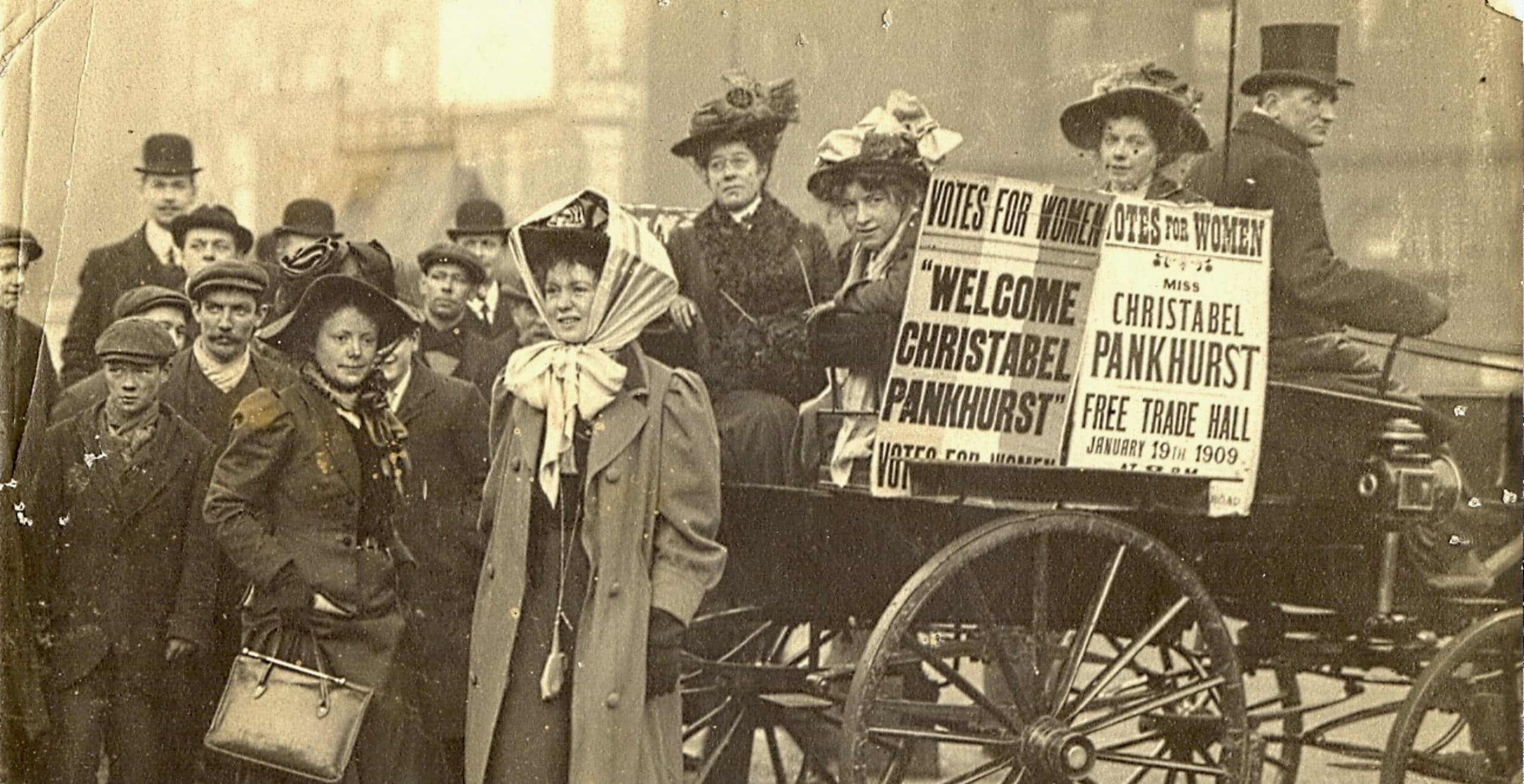
I want to talk about one particular moment in the discussion that really stood out to me.💡
He was being interviewed by George Monbiot, and they started to disagree on the question of local and national or rather small scale and large scale. George Monbiot made the point that sometimes people who are brilliant at a local level, and make big changes on a granular level, as he puts it, shrivel up and die if you put them on a bigger stage. He argued that it is just not something they want to do. 🫠
Now, I really understand that, and I think that is true for a lot of people. You can really believe in something but dread the judgement of stepping out onto a big stage, real or virtual. William Wilberforce didn’t have to worry about trolls on X after all.
But I also would have said to George Monbiot that the feeling of shrivelling up and dying in front of a large audience is not something you are stuck with. If you feel called to speak to larger crowds, you can if you wish, learn to do it, if not with relish at least with readiness. Let’s face it, there are enough speakers out there shouting loudly in service of their own egos. What the world needs desperately is people with the ideas and the vision and the voice to serve the common purpose.
The mindset shift that matters is understanding that the feeling of “shrivelling up” is simply your body’s fight or flight response. And this may be a response you learned at school. It might be a response you learned as a young child, to not speak up, to keep quiet, to be silenced, to feel judged. It’s not something you need to be stuck with for life.
The important thing to know is that this response lives in the body, not the intellect, which means it can be worked with.
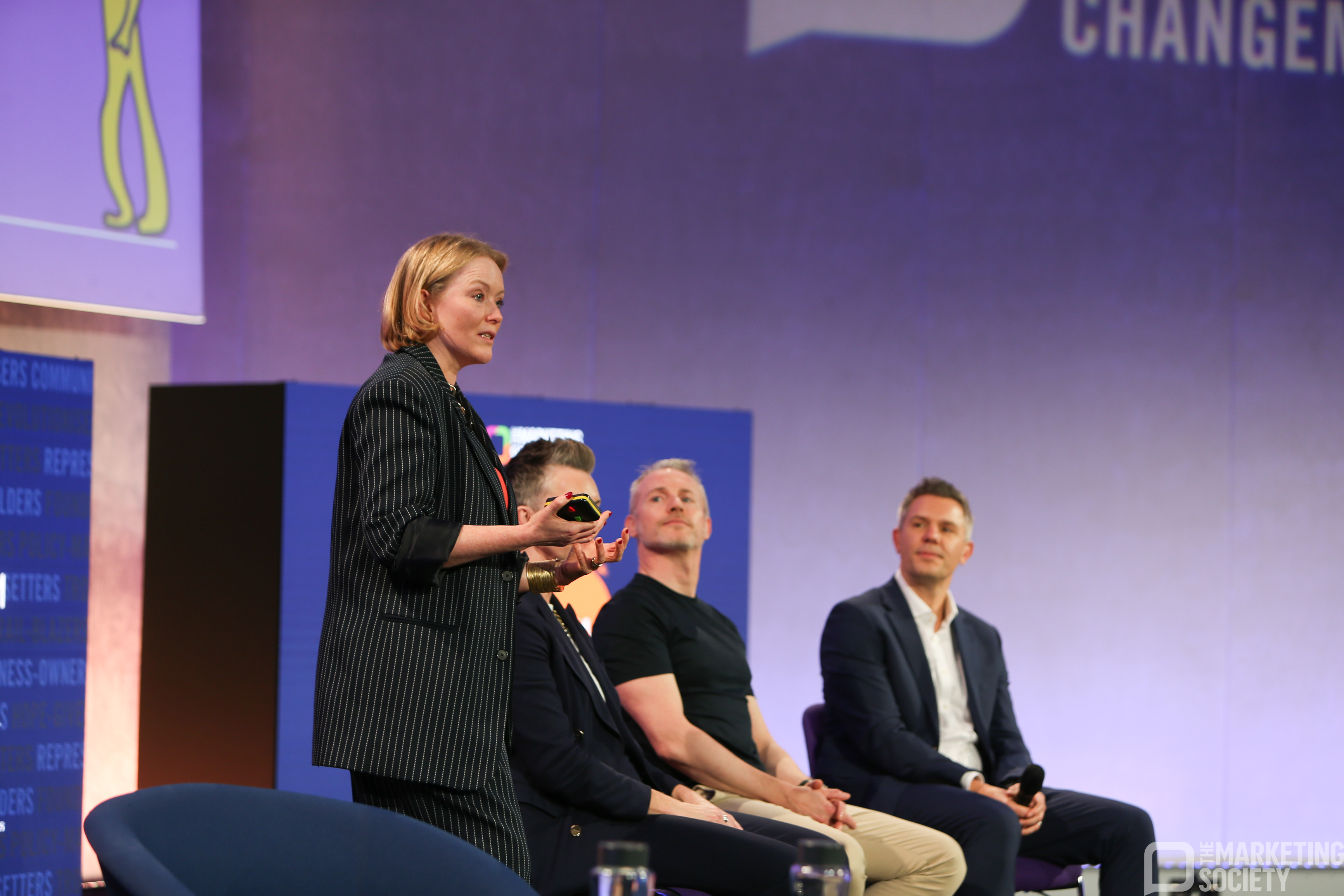
In Find Your Voice, I talk about starting with the body rather than the mind. Anxiety shows up in the breath and posture long before it shows up in the words. So one place to begin is simply by slowing the out breath, dropping the shoulders and feeling the feet on the floor. When the body feels safe, the voice follows. Confidence is physiological before it is psychological. 😎
Another shift is where we place our attention. In Gravitas, I write about how presence grows when we stop asking How am I doing? and instead ask Who am I serving? The moment your focus moves outward, from self monitoring to offering something of value, the nervous system settles and meaning takes over. You are no longer performing. You are communicating. 🗣️
And finally, rather than trying to get rid of nerves altogether, we can learn to experience them differently. Do not suppress the energy. Practise expansion instead. One simple way to do this is through diaphragmatic breathing. Allow the breath to drop low into the belly, letting the abdomen gently expand on the in breath and soften on a long, slow out breath. This kind of breathing tells the body it is safe to take up space. What once felt like fear can then rise up the spine and into the chest and voice, becoming presence, warmth and authority. 😮💨
So that response, if you have a big call to speak and are working at a local level, can be unlearned.
And instead, I would argue that you can find a feeling of expansion a feeling of “how can I help?” where we forget ourselves it’s a lovely place to be. Imagine if even ten percent of those local organisers could step up and speak on slightly larger stages, then perhaps the movement that Rutger Bregman is looking to create, or the movements that George Monbiot cares about so deeply, would undoubtedly grow faster. And we might start to drown out the loud shouting of the bullies and narcissists dominating the world stage at the moment… 📣
What do you think?

