
The Undertow

I love their ability to make us feel small and human in a powerful universe. We can relinquish ego and just be in the midst of the whirl of the winds and the waves. Just stop and let it envelop you.
So while some might have been dismayed to discover their week in coastal Andalucia beset by a three day storm of some severity, I was delighted.
Shakespeare loved a storm too. His tempests unleash the elemental on his characters, cracking them open to change. It’s a great dramatic device as well as a feature of our times in the realms of both the meteorological and the geopolitical.
Shakespeare would have loved this particular storm in that he knew that the sea offers up its secrets in a good tempest. The unusually wild Mediterranean revealed a secret worthy of his plays. On my second day three narco boats washed up on the beach with engine failure. The whole village was out on the beach to investigate.
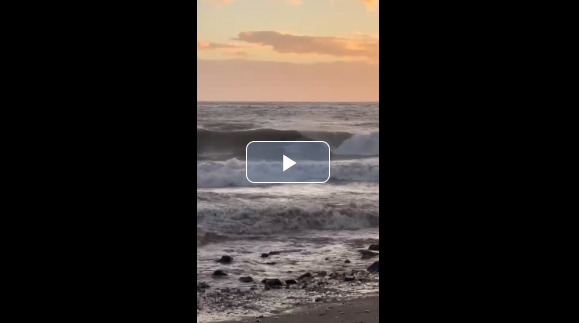
The surfers transfixed me. Each day more came, until there were twenty, seal like in black wetsuits, dark heads. In the wild sea they wait.
They trust.
They watch.
They breathe.
They feel their way.
And when the moment comes they know. Body leads. Off they go, powered by the turbulence that would floor most people. Mind, body, breath, intuition meeting nature in perfect synchronicity.
A landlubber at heart, I could hear the wild waves from my hotel. The sound I loved most was the undertow as the outgoing wave pulled gravel across the rocky beach. It felt like a metaphor for our times.When the old order is exhausted but the new has not yet found its voice what we can all do is stay surfer present – finding our composure within the chaos. Then we are ready to rise on the current when it comes, rather than letting it overwhelm us.
Your body knows about tides. Your breath is tidal – all night the waves flow in and out, without any conscious control from you. Be like the surfer. Ride the waves of your breath. Come back to your body. Present to each wave. Wait. Not forcing. Letting go. Waiting without passivity, acting without force.
The main thing – Release the out-breath. Always the out-breath first – letting it go releases your body to wait for the new. Ride the going-out tide. Follow it all the way to the end. Let there be an undertow – let the flow of the out breath take everything you don’t need from your ribcage all the way out through your toes.
Then ride the wave of the in-breath as it brings in fresh energy. Trust what the surfers know – don’t fight the wave; flow with it. In their respective Shakespeare storms it is what King Lear fails to do and what Prospero in The Tempest must learn – to relinquish control, to lay down his staff and trust the timing of what exceeds him. Storms force us to let go.
When you need to let go, to come back to calm, make like a surfer, get present. Let your mind follow the breath. And trust that always beneath the surface waits the undertow of the out breath waiting to carry out what you don’t need.
The Four Seasons breath exercise is one I come back to every time when I need to trust the undertow and let go of what I no longer need.
This exercise is a simple and effective way to integrate mindfulness into your daily routine, helping you to stay balanced and centered throughout the day.

