
Why Great Leaders Know When to Stop Smiling

Clients regularly come to me with a sense that while showing up with high warmth and agreeability helped them in their earlier careers, when it comes to leadership, it can be unclear, send the wrong message, or lead to people feeling uncertain and unfocused.
Please don’t misunderstand me, smiling is wonderful, and I’m all for it. It’s a great way to shift our vocal tone from warmth to strength. Because smiling changes the vocal tract, raises the larynx, brightens the resonance of the voice, and sometimes even raises its fundamental pitch, it is the perfect way to lighten the voice. So you see, you probably will want to smile before Christmas!
Though not to be taken literally, it’s a maxim that can have some merit when it comes to leadership. After all, finding the balance between strength and warmth has been a question for leaders long before Machiavelli offered a more extreme provocation on the same issue: “Is it better to be loved or to be feared?”
Strength and warmth are a continuum we constantly move up and down, depending on whether we’re focused on a serious task or hanging out with loved ones.
The phrase ‘Don’t smile before Christmas’ is one that most trainee teachers laugh at. But believe me, they laugh no more when faced with an unruly class of 13 year olds.
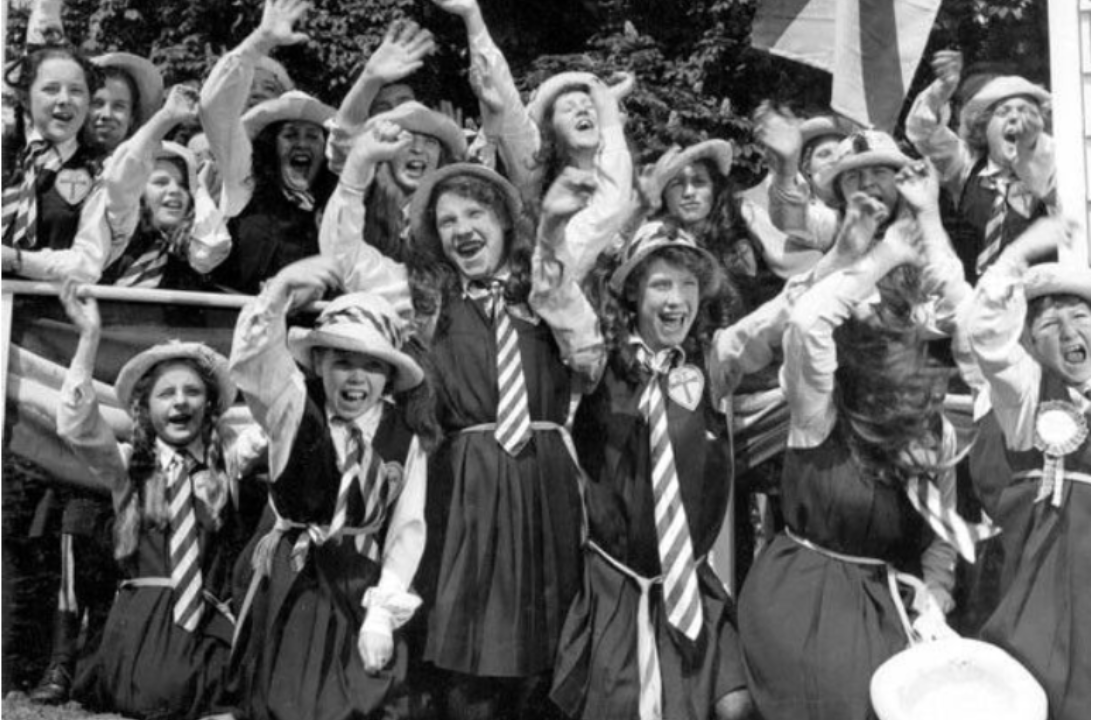
‘Don’t smile before Christmas’ can save you when it matters in the classroom. While warmth is wonderful, when you have a large group in front of you, they actually need to see your strength before they see your warmth.
Your strength says that you have got this, you’ve got them, you’re not going to waste their time. Without that firm, boundaried style large groups, whether in an educational or business setting, can get a little restless. A group of Year Nine students in a school will test this to its limits. If you show up as their friend at the start of term, they will quickly start to play up. If you show up with strength, a smile in your eyes, a sense of humour, and boundaries firmly in place, they visibly relax, focus, and listen. I saw it myself with the best teachers in schools, that authority leads to a feeling of ease in the room because the class trust your leadership. And while I don’t want to make a direct link between a classroom of lively children and the House of Commons, the common thread is a large group in need of a leader.
Back to our new Prime Minister, who I believe is leading with warmth and a conversational style that works brilliantly for him on social media (where, let’s face it, elections these days can be won or lost). As Prime Minister, he has leaned into that warmth. His first Downing Street speech was deliberately less formal than the traditional model, and its language included “I hear you,” putting “the care of people” at the heart of government and promising to “bring back hope.”
In linguistic terms, he showed form in his first major Commons statement, his language centring on care, optimism, fairness and hope. His warmth will work brilliantly for him as an MP too, he can appear good humoured and accessible while also delivering a sharp rebuke when something matters.
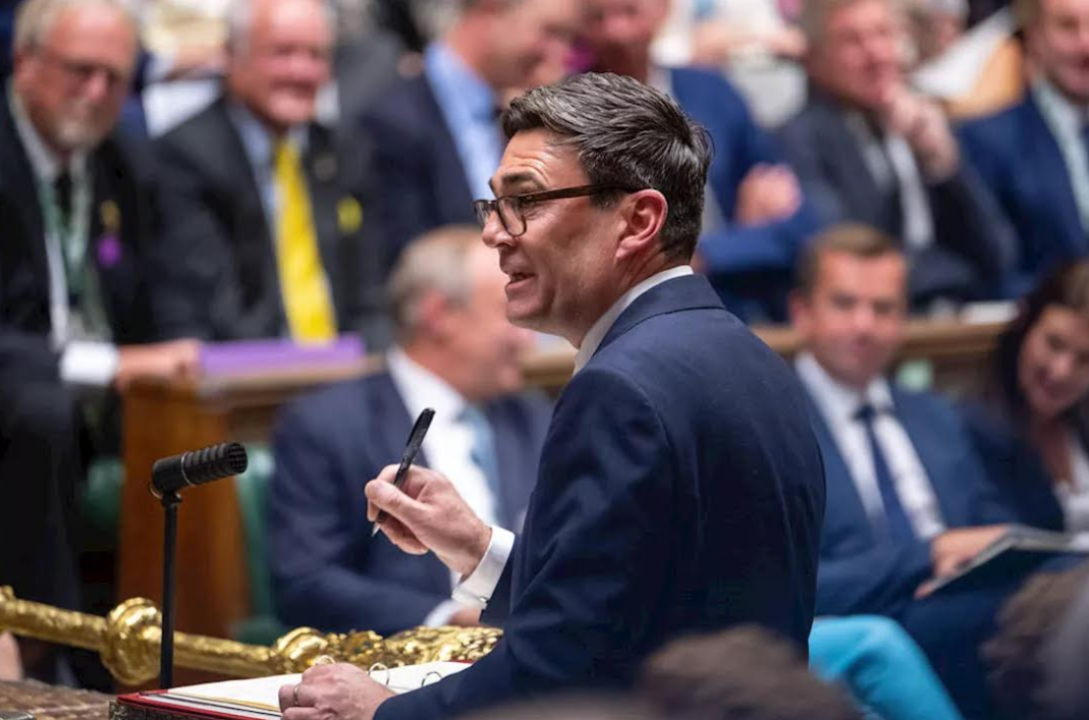
That’s why my hunch is that the most effective version of Andy Burnham in the Commons will be what communication expert Michael Grinder calls “brief strength inside an enduring climate of warmth.” It’s a far more nuanced update on ‘don’t smile before Christmas’, and it will stay true to his ethos – which is where trust lives.
In general, my worry about smilers as leaders is when the smile gets overused. It possibly goes back to the trauma I faced of five Year Nine classes in a day. What that teaches you is that when warmth comes from a place of wanting to connect and lead, it lands. When it’s about needing to be liked rather than something more purposeful, clear and boundaried, you can quickly lose control. Teachers learn quickly to stay focused on the intention of the class and to use the smile when you are on track. But when things veer off course, the art is to let go of the need for relationships and to focus on the task (in this case, classroom management, something that, fortunately for MPS, the House of Commons, is the Speaker’s job to handle.)
In life beyond classrooms, in leadership, we can celebrate the smile but feel ok letting it drop, and lead with strength when clarity and boundaries are needed.
And if you have a hunch that sometimes your innate warmth and agreeability could be balanced by a boundaried, empathetic firmness, kindness with an edge, you might want to try this too.

